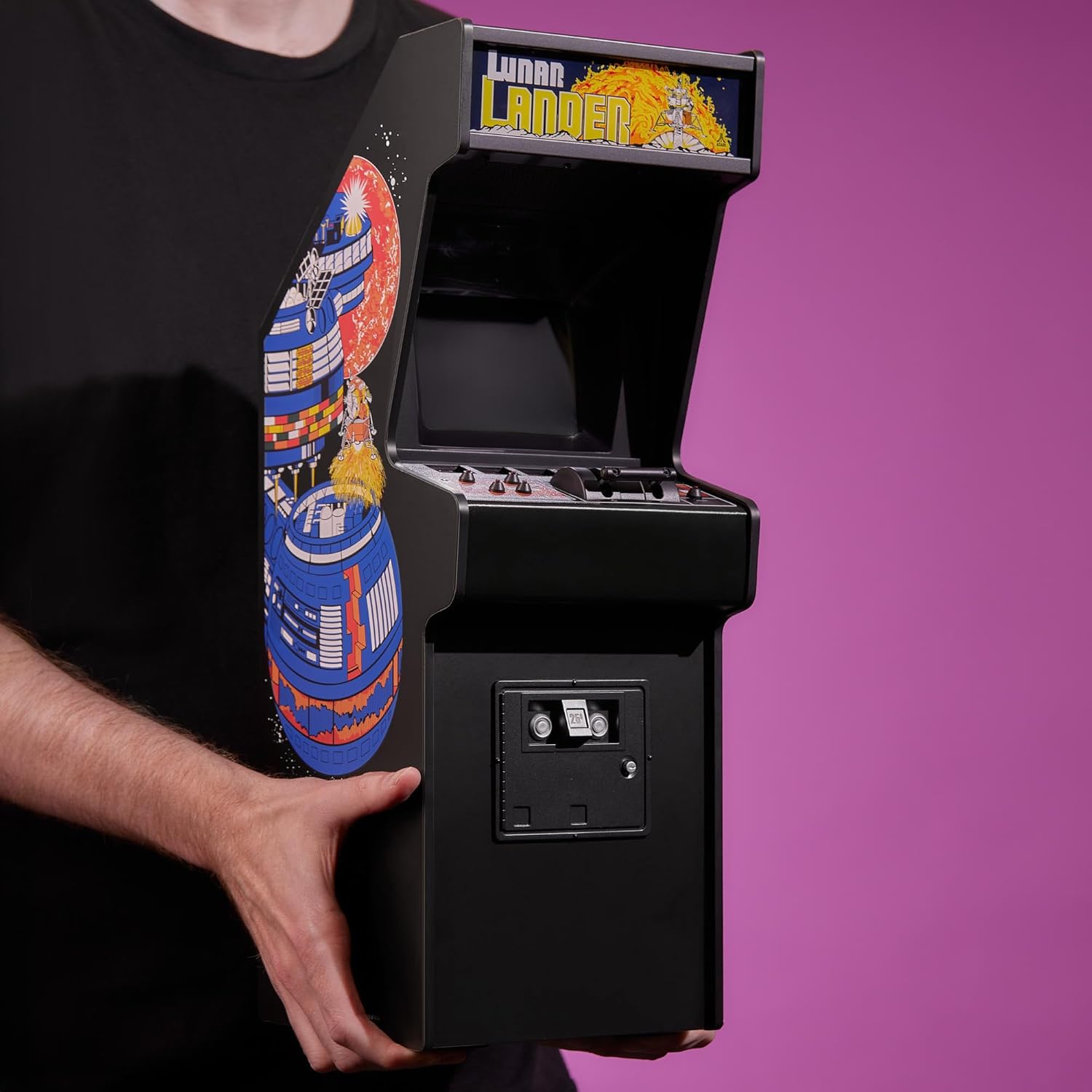
If you’ve ever seen a beautifully crafted miniature arcade cabinet — a palm-sized or roughly knee-high replica of a classic game like Pac-Man or Galaga — sitting on a cluttered folding table or a generic black pedestal that’s two sizes too tall, you already understand the problem this article solves. Mini and quarter-scale arcade cabinets (meaning cabinets built at roughly 25% of the original machine’s full height, typically 18–36 inches tall) have graduated from novelty gifts to serious collector’s pieces commanding $150 to $800 or more on the secondary market. The display stand beneath them is no longer an afterthought — it’s the difference between a centerpiece and an afterthought. This guide walks you through the stand specifications, finish decisions, and sourcing tradeoffs that matter most when you’re buying or commissioning a display for a scaled replica, so you can make the call with confidence rather than gut instinct.
Why Scale Changes Everything About Stand Selection
A full-size arcade cabinet at roughly 68–72 inches tall has a natural presence that can survive a mediocre stand. A quarter-scale piece at 18–24 inches does not. The proportional math is unforgiving: any stand that’s even two inches off in height relative to the cabinet’s “visual center” — the screen — will either force viewers to crouch awkwardly or position the screen above comfortable sightlines. Neither is neutral; both communicate “this wasn’t planned.”
The practical bracket for most quarter-scale display stands breaks into three height zones:
Counter height (28–36 inches to platform surface): Appropriate for cabinets displayed on a dedicated entertainment shelf or console table. Works well for living room or bar-top contexts. Viewers engage standing or seated at bar stool height.
Pedestal height (42–48 inches to platform surface): The most common purpose-built stand format for standalone display. Puts the screen of a 24-inch quarter-scale cabinet at roughly 54–60 inches from the floor — near adult eye level, which is where collectors almost universally want it. Game Room Solutions’ 2025 pedestal product sheets confirm this is the height range most frequently specified for replica cabinet display.
Riser/plinth height (4–12 inches): Used when the cabinet will sit on an existing surface (desk, built-in bar, dedicated shelf). Risers solve finish-matching problems and add visual elevation, but they’re only appropriate when the display surface itself is already at the right height.
Getting this wrong is the single most common display mistake noted in the collector threads at coinop.org. The forum consensus is consistent: measure the screen centerline target first, then work backward to the stand height — not the reverse.
The Three Specs That Actually Matter (And the One That Doesn’t)
Here’s the comparison frame that practitioners in this space have largely converged on. When you’re evaluating stands for a quarter-scale or mini cabinet, these are your load-bearing decisions:
1. Platform Footprint vs. Cabinet Base Dimensions
Quarter-scale cabinets vary more in base width than their height range suggests. A classic upright replica (Pac-Man, Donkey Kong style) typically runs 6–9 inches wide at the base. A cocktail-table replica can be 12–14 inches. Many off-the-shelf pedestals are sized for full-function Arcade1Up-class machines with bases starting at 16 inches — those platforms are physically oversized and visually awkward under a mini cabinet.
The rule: your platform should overhang the cabinet base by no more than 1.5–2 inches on any side. Anything more and the stand “swallows” the piece. Custom fabricators like Reclaimed Arcade and Game Room Guys can spec platform dimensions to the millimeter; flat-pack options from the $50–$120 tier almost never offer platform customization, which is a genuine limitation worth pricing into your decision.
2. Weight Capacity vs. Actual Cabinet Weight
This is where Popular Mechanics’ guidance on reading weight capacity specs is directly applicable. Published weight ratings on display furniture are typically calculated for centered, static loads on a rigid platform surface. Quarter-scale cabinets are not especially heavy — most fall between 8 and 22 lbs — but they are often top-heavy, with screens and marquee assemblies cantilevered forward from the cabinet body. That geometry creates a tipping moment that flat weight ratings don’t capture.
By the numbers:
- Typical quarter-scale upright cabinet weight: 10–18 lbs
- Typical cocktail-style mini cabinet weight: 14–22 lbs
- Recommended stand weight rating for this range: minimum 50 lbs (3x safety margin for tipping risk)
- Collector-reported tip incidents in coinop.org threads: predominantly on stands rated under 30 lbs with no anti-tip anchor point
The anti-tip anchor — a floor mount point or a rear counterweight channel — is a feature you should actively confirm before purchase, especially if the display will be in a household with children or pets, or in a commercial venue with foot traffic near the display.
3. Finish Consistency Under Real Lighting
This one stings collectors more than any other spec discrepancy, and it’s underreported in product listings. A walnut veneer on a $90 flat-pack stand and a true solid walnut or stained-oak platform from a specialty fabricator look close in product photography and radically different under the warm ambient lighting of a home game room.
This Old House’s wood finishing guide is explicit on this point: warm-spectrum lighting (2700–3000K, typical for residential spaces) shifts all warm wood tones — walnut, cherry, mahogany stain — noticeably amber compared to the daylight-balanced photography most product listings use. A “natural walnut” finish photographed under studio lighting will read as significantly darker and more orange under living room recessed LEDs.
The practical implication: if finish consistency matters to your display (and if you’re matching to a cabinet with a real wood or high-gloss vinyl side art wrap, it should), request physical finish samples before ordering, or buy from suppliers who publish side-by-side comparison shots under warm lighting. Arcade Heroes’ 2024 collector roundup specifically flagged this as a sourcing gap in the current mini-cabinet display market — the photography is often aspirational, not representative.
Sourcing Tier Breakdown: What You’re Actually Buying at Each Price Point
The market for quarter-scale and mini cabinet display stands in mid-2025 through 2026 has consolidated into three practical tiers. Here’s how to think about each honestly:
$50–$120 (Flat-pack / mass-market pedestal): These are typically melamine or MDF-core pedestals marketed for general display use — not arcade-specific. They can work for lighter mini cabinets (under 12 lbs) in low-traffic home settings. The platform footprints are almost always oversized for true mini cabinets. Finish consistency is the lowest in this tier. If your cabinet cost under $100 and you’re displaying casually, this tier is defensible. If the cabinet represents real collector value, this tier is a false economy — not because the stand will fail structurally, but because it will visually diminish the piece.
$150–$400 (Mid-market, arcade-adjacent, modular): This is where purpose-built arcade display products begin to appear. Game Room Solutions’ 2025 catalog includes pedestal and riser configurations in this range with adjustable platform heights and optional cable management (relevant if the mini cabinet is a functioning playable unit, not a static display). Platform sizing in this tier is still not always customizable, but the selection is wider and the finish quality — particularly powder-coat steel options — is meaningfully more consistent than MDF laminate. Owners in collector forums consistently report this tier as the value inflection point for functional displayed cabinets.
$400–$1,200+ (Custom fabrication): Reclaimed Arcade and Game Room Guys are the most frequently cited fabricators in this segment for arcade-specific display furniture. At this tier, you’re specifying platform dimensions, finish material, height, and load configuration to your exact cabinet. Lead times in 2025–2026 have been running 6–12 weeks for custom walnut or powder-coated steel fabrication — a real planning consideration if you’re working toward a game room reveal or venue opening date. The cost is significant, but for a cabinet worth $400–$800 or more, the stand cost is proportionate and the visual result is categorically different.
Cable Management: The Detail That Separates Display from Storage
If the mini cabinet you’re displaying is a functional unit — meaning it has a power cord, potentially an HDMI or USB connection for a Raspberry Pi or similar internal hardware — cable management is not optional. A visible power cord draped down the front of a stand immediately reads as “home project,” not “curated collection.”
The minimum viable solution at any tier is a rear cord channel with a floor-exit point that keeps the cable behind the stand’s vertical column. Mid-market and custom fabricators both offer this; flat-pack stands almost never do. If you’re in the flat-pack tier and need cable management, a separately purchased surface-mount cable raceway (available from electrical supply and home improvement retailers) in a finish-matched color is the most practical workaround — it won’t be invisible, but it’s significantly better than exposed cord.
For commercial installations — a gaming lounge, bar, or entertainment venue displaying a branded or themed mini cabinet — hardwired floor conduit from the stand base to a wall outlet is the specification to target. It’s a code-compliance consideration in commercial spaces, not just an aesthetic one.
Decision Rules: If X, Then Y
If your cabinet cost under $150 and you’re displaying it casually at home on an existing surface: a quality riser or plinth in the $30–$80 range is the right call. Don’t overspend the stand relative to the piece.
If your cabinet cost $200–$500 and you’re building a dedicated game room display: the $150–$400 mid-market tier, specifically a pedestal with adjustable height and rear cable management, is your target. Confirm platform dimensions match your cabinet base before ordering.
If your cabinet is a custom build, a signed limited-edition piece, or a display centerpiece in a commercial venue: custom fabrication is the correct answer, and the cost is proportionate. Start the lead-time clock now — 6–12 weeks is real, and rushing a fabricator produces compromised results.
If finish consistency is a priority and you’re matching to existing game room cabinetry: request physical samples and photograph them under your actual room lighting before committing. No product listing photo should be trusted at face value for finish-matching decisions, per the consistent guidance from collectors and the finishing literature alike.
The stand is the last thing people notice when it’s right, and the first thing they notice when it’s wrong. That’s the whole brief.